Optimizing Kubernetes Pod Placement for Secure and Highly Available Financial Applications
DevOps
– 6 Min Read

1. Node Affinity: Running Workloads on Specific Nodes
👉 What is Node Affinity? It allows Kubernetes to schedule pods only on specific nodes based on labels.
Use Case 1: GDPR Compliance – Data Residency Requirements
EU regulations mandate that customer data processing happens within European data centres.
Solution: Use node affinity to schedule workloads only on EU-based nodes.
Benefit: Ensures compliance with legal requirements.
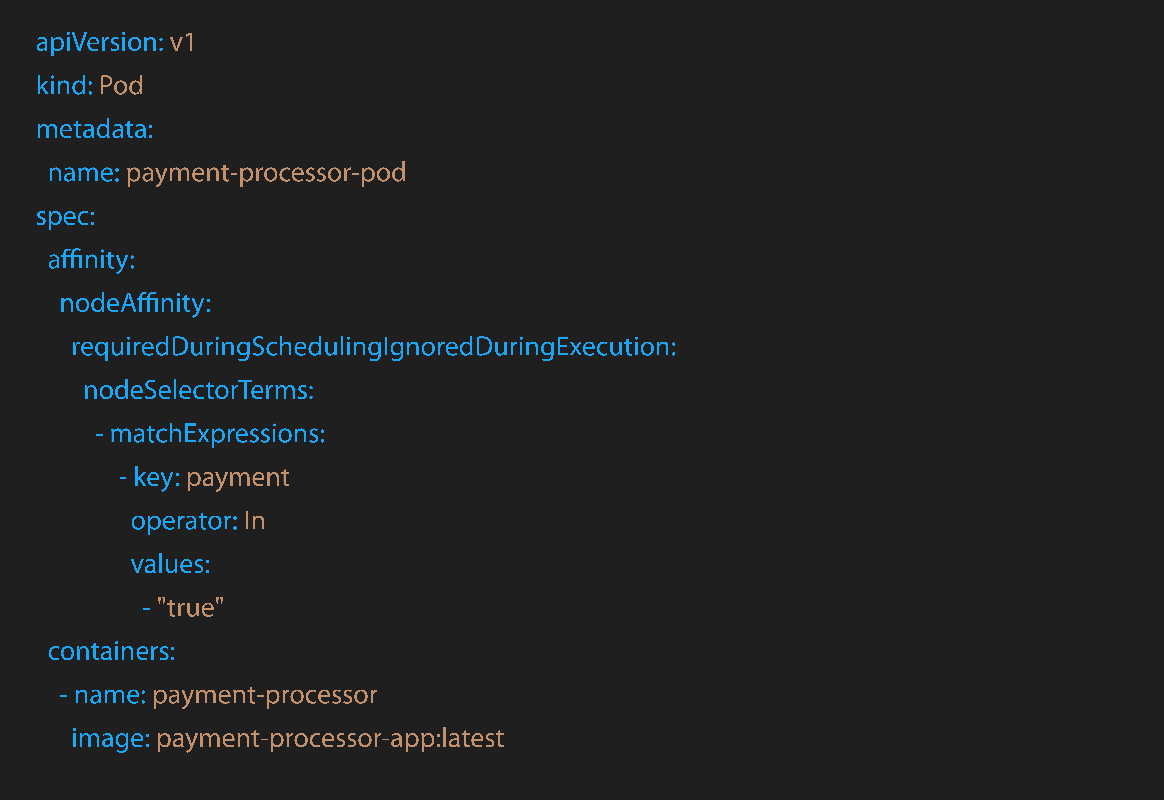
Use Case 2: Isolating Sensitive Banking Services
Payment processing workloads should be separated from general banking services for security.
Solution: Assign sensitive workloads to dedicated high-security nodes.
Benefit: Protects sensitive data and meets regulatory security mandates
2. Pod Affinity: Grouping Related Workloads Together
👉 What is Pod Affinity? It enables specific pods to be scheduled close to each other on the same node or region.
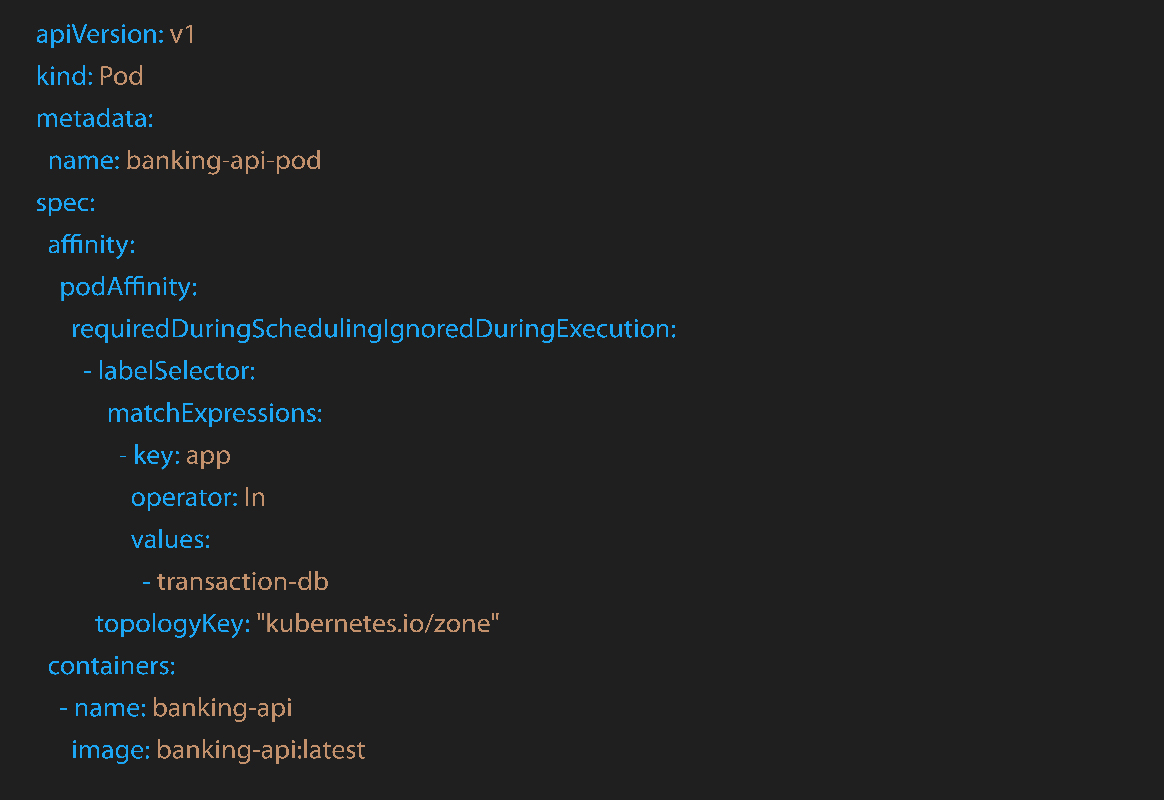
Use Case 1: Reducing Latency in Real-Time Payment Systems
A bank’s real-time payment processing needs low-latency communication between API servers and transaction databases.
Solution: Apply pod affinity so API servers are scheduled near transaction databases.
Benefit: Improves performance and speeds up transaction processing.
Use Case 2: Enhancing Security with Zero Trust Architecture
Microservices that handle sensitive customer data should be placed close to security services (e.g., authentication, encryption, and monitoring services).
Solution: Use pod affinity to group security services with critical workloads.
Benefit: Enforces zero trust principles by ensuring security services are always nearby.
3. Pod Anti-Affinity: Ensuring High Availability by Spreading Workloads
👉 What is Pod Anti-Affinity? It prevents Kubernetes from placing multiple critical pods on the same node, improving fault tolerance.
Use Case 1: Compliance & Data Segmentation
Certain workloads must be isolated for compliance purposes, such as PCI-DSS requirements for cardholder data.
Solution: Use pod anti-affinity to separate workloads that handle different data classifications.
Benefit: Reduces risk of unauthorized data access and improves compliance adherence.
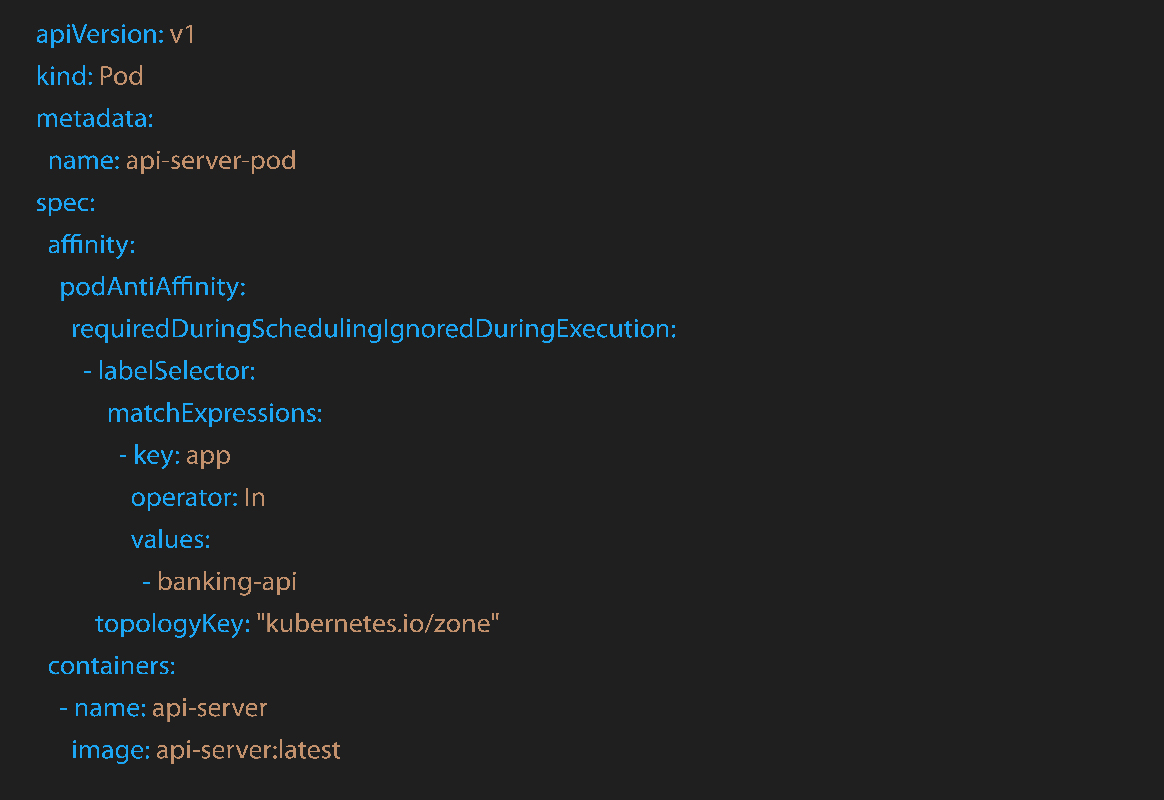
Use Case 2: Preventing API Downtime in Online Banking
If all API service replicas are on the same node, a single node failure can bring down the entire banking system.
Solution: Use pod anti-affinity to distribute API replicas across different nodes.
Benefit: Increases fault tolerance and prevents downtime.
Example Snippet: